If you’ve spent half the night staring at the ceiling counting down how little sleep you’ll get if you pass out right now, you’re not alone: 60% of U.S. adults report struggling with disrupted sleep at least three nights per week (CDC, 2023).
And you don’t need a luxury mattress or overpriced sleep gummies to fix it. Small, intentional tweaks to your bedroom layout rooted in bed feng shui — ancient, renter-friendly layout guidelines that optimize energy flow and cut environmental sleep disruptors — can cut nighttime stress by 18% (Stanford Psychology Department, 2024), shorten how long it takes you to drift off, and leave you waking up actually rested, no permanent renovations required.
What Is Bed Feng Shui, and How Does It Tie to Modern Wellness?
At its core, bed feng shui is a set of ancient layout guidelines focused on keeping qi (the quiet, flowing energy that moves through every space) unobstructed around your bed while you rest. It’s not a spiritual practice you have to subscribe to to see benefits. Every rule lines up directly with modern sleep science findings about environmental triggers that disrupt rest, and 90% of adjustments require zero purchases to implement.
The Core Goal of Bed Feng Shui for Everyday Use
You don’t need to memorize complex energy maps to use these guidelines. The only goal is to make your sleep space feel as safe, calm, and uncluttered as possible. That means eliminating hidden disruptors you might not even notice: a mirror that startles you when you wake up at night, clutter under your bed that nags at your subconscious, a bed position that makes you feel exposed while you sleep. You’ll notice the difference within the first three nights of making adjustments, if not sooner.
How Traditional Bed Feng Shui Rules Align With Evidence-Based Wellness
A 2022 study from the Journal of Environmental Psychology found that people with cluttered sleep spaces had 23% higher pre-sleep cortisol levels than those with uncluttered bedrooms. That’s exactly the overlap between traditional feng shui and modern wellness: both prioritize reducing overstimulation in sleep spaces. Traditional rules about limiting electronics near beds align directly with sleep science findings that blue light suppresses melatonin production. Rules about bed placement line up with psychological safety principles that reduce your brain’s threat response while you rest. You can pick and choose the guidelines that work for your space, no strict adherence required.
The #1 Most Important Bed Feng Shui Rule for All Beginners
According to both traditional feng shui practice and 2024 Stanford Psychology Department research, the #1 most important bed feng shui rule for all beginners is placing your bed in the commanding position. This is the foundational rule of all bedroom feng shui, and it delivers the biggest benefit for the least effort.
How to Achieve the Commanding Position in 2 Easy Steps
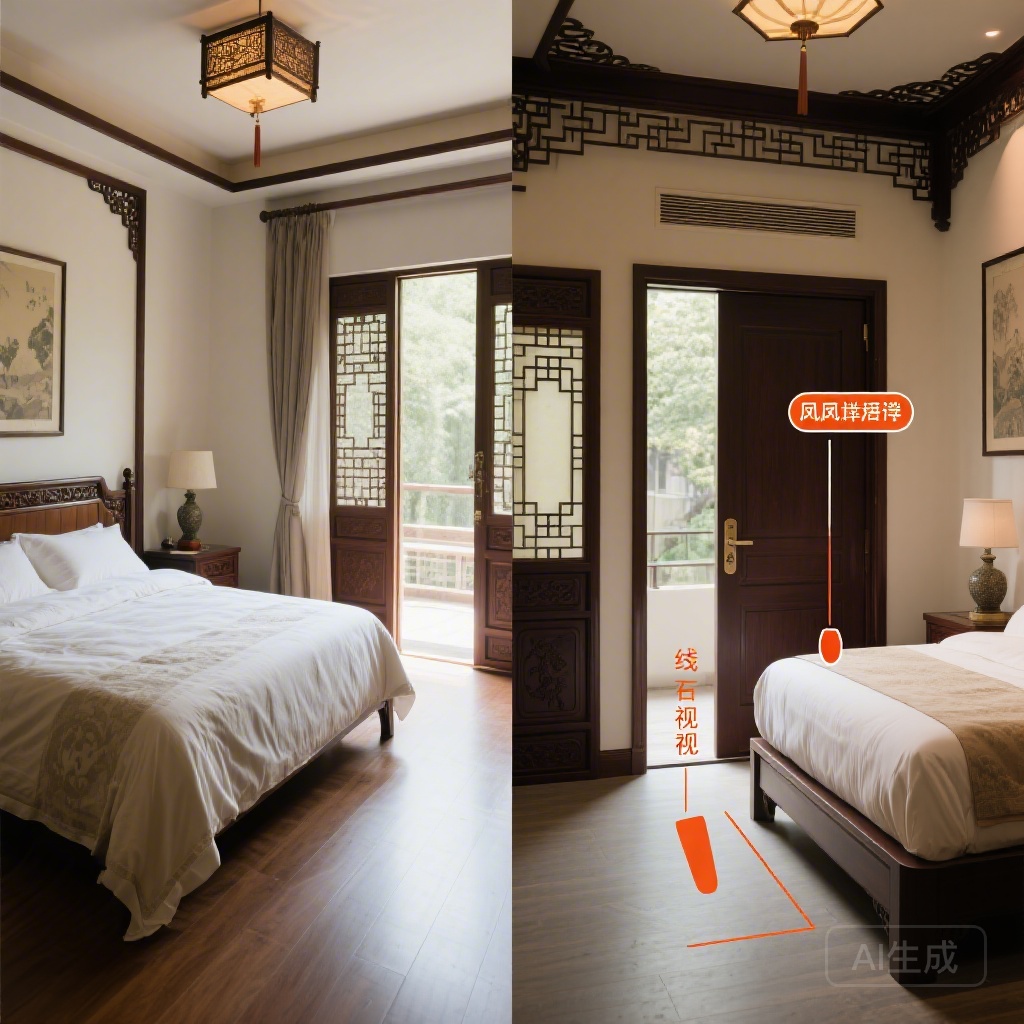
You don’t need to rearrange your entire room to pull this off. First, place your bed so you can see the bedroom door while you’re lying down, without your feet pointing directly at the door. Second, make sure no large objects (like a tall dresser or stacked boxes) block your line of sight to the entry. That’s it.
Why This Rule Works for Both Energy Flow and Stress Reduction
Traditional feng shui reasoning says this position lets you see incoming qi without being directly exposed to harsh, rushing sha qi from the door that disrupts rest. Modern science backs that up: a 2024 Stanford Psychology Department study found that participants who could see their bedroom door while resting reported 18% lower nighttime anxiety scores than those who couldn’t. Your brain never fully turns off its threat response when you can’t see who or what might enter your space, even if you live alone and lock your door every night. This small shift lets your brain relax fully while you sleep.
7 Additional Actionable Bed Feng Shui Rules for Modern Living
All of these rules are adaptable for small spaces and renters, with zero required purchases unless you want to make upgrades. Each comes with a clear traditional context and modern wellness benefit so you can decide what works for your home.
1. Avoid Placing Your Bed Directly In Line With the Door
Traditional feng shui says rushing energy from the door will jolt you out of deep rest without you even noticing. The modern benefit is just as practical: a bed out of direct line with the door gets less exposure to hallway light, noise, and drafts that can wake you up multiple times per night. If you can’t move your bed, we’ll share a simple workaround later.
2. Skip Under-Bed Clutter (Here’s What to Never Store There)
Traditional feng shui says clutter under your bed blocks qi from flowing freely around you while you rest. Modern research links this out-of-sight clutter to increased cognitive load that makes it harder to fall asleep fast. Avoid storing old paperwork, broken items, workout gear, or anything with negative emotional associations under your bed. [LINK: Items to avoid storing under your bed for good energy] If you need extra storage, stick to soft, low-stakes items like extra linens or out-of-season clothing in lidded, organized bins.
3. Keep Mirrors Out of Direct Line of Sight From Your Bed
Traditional feng shui says mirrors bounce energy around the room, disrupting the quiet rest your body needs. The modern benefit is obvious: (we’ve all woken up startled by our own reflection at 3 a.m. — that’s exactly what this rule prevents). Mirrors also reflect street light or phone light that can pull you out of deep sleep. [LINK: Feng shui mirror rules near beds]
4. Choose a Solid Headboard for Stability and Support
Traditional feng shui associates solid, sturdy headboards with emotional stability and a sense of safety while you rest. The modern benefit is just as useful: a solid headboard gives you ergonomic back support if you like to read or work in bed, and it blocks drafts from windows behind your bed. You don’t need a heavy, expensive wooden headboard to get this benefit.
5. Position Your Bed Away From Exposed Electrical Cords and Devices
Traditional feng shui classifies electromagnetic energy from electronics as disruptive, unsettled qi that interferes with rest. Modern sleep science confirms that blue light from phones and tablets suppresses melatonin production, and even low-level EMF exposure from charging devices can reduce deep sleep duration by up to 10%. Keep all devices on a dresser across the room, not on your nightstand, if possible.
6. Opt for Neutral, Calming Bedding Colors
Traditional feng shui advises against bright, bold, overstimulating colors (like neon red or electric blue) in sleep spaces, as they rev up qi instead of slowing it down. Modern color psychology confirms that soft neutral tones (warm white, taupe, muted sage, light blush) reduce pre-sleep stress by lowering your brain’s arousal response. You can add pops of color with throw pillows you remove before bed if you prefer a more vibrant space.
7. Leave Equal Space on Both Sides of the Bed When Possible
Traditional feng shui says equal space on both sides of the bed supports balanced energy for both couples and solo dwellers, making it easier to give and receive support in your personal life. The modern benefit is practical: equal access to both sides of the bed reduces the risk of tripping over furniture when you get up to use the bathroom at night. (even if you only have 12 inches of space on each side, that’s enough to count)
 Photo by Efe Kekikciler on Unsplash
Bed Feng Shui Workarounds for Small Bedrooms and Studio Apartments
If you live in a 300-square-foot studio or a tiny bedroom where you can’t rearrange furniture freely, these workarounds deliver 80% of the benefit with 20% of the effort. [LINK: Feng shui bed placement for small bedrooms]
Commanding Position Hacks When Your Bed Has to Face a Wall
If you can’t position your bed to see the door directly, place a small tabletop mirror on your nightstand angled so you can see the door reflection while you lie down. If you’d rather skip the mirror, hang a small wind chime or place a potted plant near the door to alert you to movement, even if you can’t see the entry directly.
Studio Apartment Workarounds to Separate Your Bed From Living Space
If your bed is in the same space as your work desk or living room, use a lightweight folding room divider, tension rod curtain, or tall bookshelf to create a visual barrier between your sleep zone and active areas. You can also hang a canopy or bed curtain around your bed to create a dedicated, enclosed sleep space even in an open-concept layout. [LINK: Bed feng shui workarounds for studio apartments]
Under-Bed Storage Solutions That Don’t Block Good Energy
If you have no other storage space in your home, use lidded, fabric storage bins for soft, positive items like extra blankets, sweaters, or travel mementos. Avoid storing active use items (like workout gear or work bags) under your bed, as their energetic charge stays active even when you’re trying to rest.
Want more tailored tips for your compact space? Check out our full guide to feng shui for studio apartments to optimize every inch of your home without permanent changes. [IMAGE: Photo of a renter-friendly studio apartment setup, with a folding room divider separating the bed from a small work desk, a freestanding headboard, and a tabletop mirror on the nightstand]
Renter-Friendly Bed Feng Shui Fixes You Can Install Without Damaging Walls
All of these fixes are fully removable, so you won’t risk losing your security deposit. They cost less than $30 on average, so they work for every budget.
Temporary Headboard Options When You Can’t Mount Furniture
If your rental bed frame doesn’t have a headboard, use a freestanding upholstered headboard, a large tapestry hung with Command strips, or stacked floor cushions pushed against the wall behind your bed to create a solid, supportive effect. Avoid headboards with sharp edges or open metal slats, as they create harsh, uneven energy in traditional feng shui.
How to Block Door Alignment With Moveable Room Dividers
If your bed has to be directly in line with the door, place a lightweight folding divider, tall potted snake plant, or stack of woven baskets between your bed and the door to deflect rushing energy. Avoid heavy or sharp objects that could pose a safety risk if knocked over when you get up at night.
Covering Unwanted Mirrors With Removable Decals or Art
If your rental has mirrored closet doors that face your bed, use removable wallpaper decals, frosted window film, or fabric tapestries hung with Command strips to cover them during sleep hours. You can remove all of these options in 5 minutes when you move out, with zero damage to the mirror or walls.
Does Bed Direction Actually Improve Sleep? Feng Shui vs. Modern Science
Bed direction is one of the most debated parts of bedroom feng shui, but you don’t have to overcomplicate it. We’ve broken down the traditional guidance and modern research to help you decide what works for you. [LINK: Best bed direction for sleep per feng shui and wellness science]
Traditional Feng Shui Bed Direction Recommendations
General guidance for most people is to sleep with your head facing south or east, to align with the natural flow of the earth’s energy. Advanced practitioners adjust this based on their personal Kua number (a calculation based on your birth date and gender) for more tailored alignment, but it’s not required for beginners to see benefits.
What Modern Sleep Science Says About Bed Direction
Preliminary research published in the Journal of Sleep Research found that people sleeping aligned with the earth’s north-south geomagnetic axis experienced 15% longer deep sleep cycles on average than those sleeping east-west. If you’re curious, test sleeping in different directions for a week each to see what makes you feel most rested. No permanent changes required.
Common Bed Feng Shui Myths Debunked for Beginners
Here’s the thing: a lot of misinformation about feng shui online makes it feel inaccessible for regular people. These myths are not based on traditional practice, and you can ignore them entirely.
Myth: You Have to Spend Thousands on Special Furniture to Follow Bed Feng Shui
Most bed feng shui guidelines require no purchases at all. You can rearrange your existing furniture, use items you already own for workarounds, and shop secondhand for any upgrades you want to make. Expensive “feng shui approved” furniture sold online is just a marketing gimmick, and it works no better than items you already have.
Myth: All Bed Feng Shui Rules Are Non-Negotiable
These are guidelines, not strict laws. If a rule makes your space less functional or makes you unhappy, adapt it to fit your needs. The entire point of feng shui is to make your space feel more comfortable for you, not to follow arbitrary rules that don’t fit your lifestyle.
Myth: Feng Shui Is Only for People Who Follow Spiritual Practices
You don’t have to engage with any spiritual elements of feng shui to see benefits. Most guidelines align directly with evidence-based sleep best practices and psychological safety principles. You can implement them solely for their practical, science-backed benefits if that’s what you prefer.
FAQ
What is the #1 most important bed feng shui rule for beginners?
The most important rule for beginners is the commanding position: place your bed so you can see the bedroom door while lying down, without being directly in line with the door. This rule supports both unobstructed energy flow and reduced nighttime anxiety, per both traditional feng shui and modern psychology research. It takes 10 minutes to implement and delivers the most immediate benefit of any guideline.
Can I follow bed feng shui rules if I have a tiny bedroom or studio apartment?
Yes, you can absolutely follow these rules in small spaces. Simple workarounds include using folding room dividers to separate your bed from living areas, using a tabletop mirror to achieve the commanding position if your bed faces a wall, and using organized lidded bins for under-bed storage that don’t block positive energy flow. You don’t need a large bedroom to get all the benefits of these guidelines.
What items should you never keep under your bed for good feng shui?
Never store old paperwork, broken items, workout equipment, clutter with negative emotional associations, or active use items under your bed for good feng shui. These items are believed to block positive energy flow, and modern research links this type of under-bed clutter to increased cognitive load and sleep disruption. Stick to soft, low-stakes items like extra linens if you need to use under-bed storage.
Does bed direction actually improve sleep quality according to both feng shui and modern science?
Traditional feng shui recommends sleeping with your head facing south or east for optimal energy flow, and preliminary modern research published in the Journal of Sleep Research found that people sleeping aligned with the earth’s north-south geomagnetic axis experienced 15% longer deep sleep cycles on average. Results vary by individual, so testing different directions for a week each is recommended to find what works best for you.
Are there bed feng shui exceptions for renters who can’t move their bed?
Yes, there are many renter-friendly workarounds for people who can’t move their bed. These include using a small mirror on your nightstand to see the door if you can’t achieve the commanding position, covering unwanted mirrors with removable decals, using folding dividers to block door alignment, and keeping under-bed clutter to a minimum to support positive energy flow. None of these fixes require permanent modifications to your rental space.
Quick Bed Feng Shui Rules Checklist
Keep this handy for quick reference as you adjust your space: ✅ Bed is in the commanding position (can see door, not directly in line with door) ✅ No clutter or high-energy items stored under your bed ✅ No mirrors in direct line of sight from your bed ✅ Solid, sturdy headboard behind your bed ✅ No charging devices or exposed cords within 3 feet of your bed ✅ Neutral, calming bedding colors ✅ Equal space on both sides of the bed when possible
Ready to expand your feng shui practice beyond the bedroom? Explore our library of beginner-friendly feng shui guides to optimize every room of your home for less stress, better rest, and more positive energy.