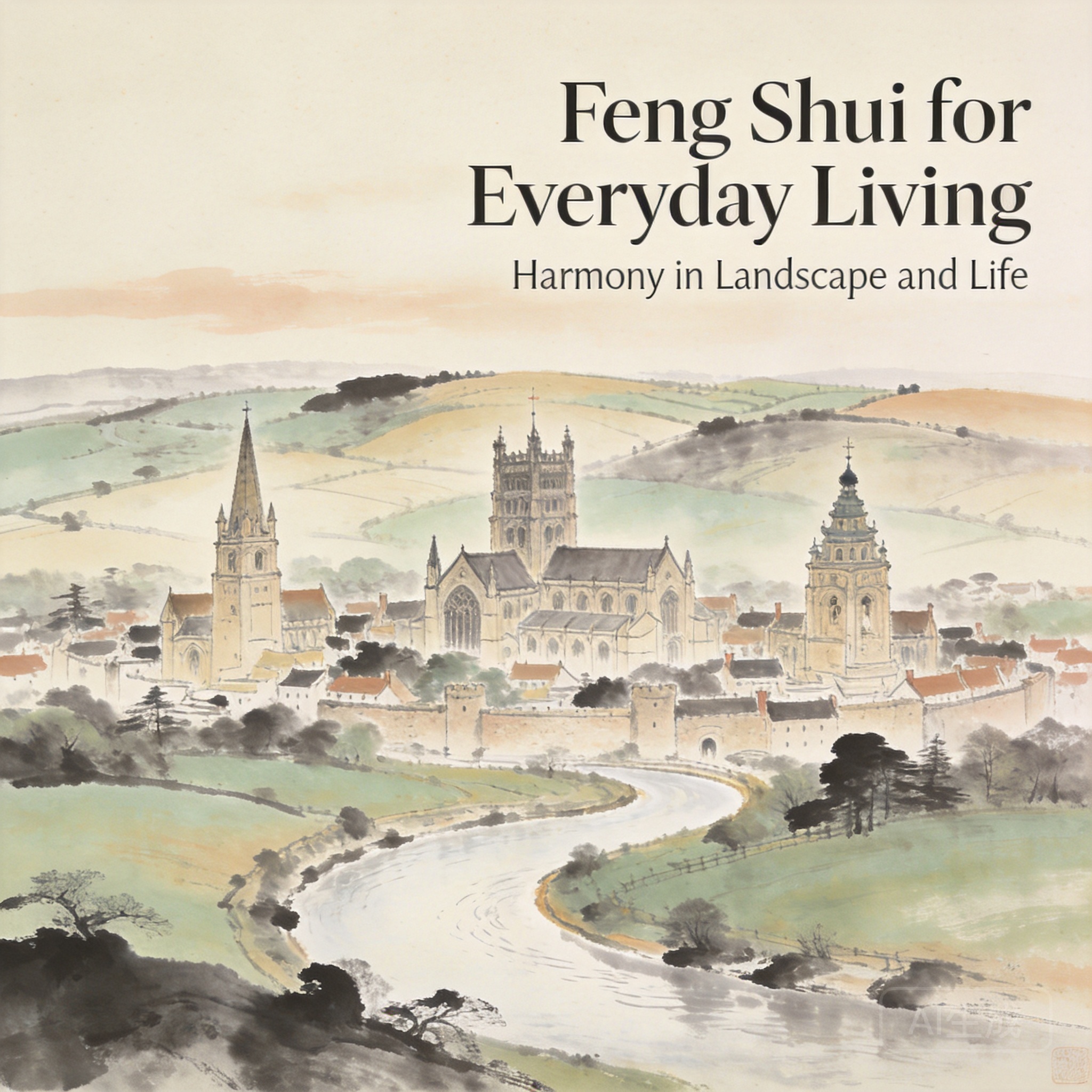
 Let that sink in: St Martin’s Church has held weekly public services without interruption for 1,447 years, making it the oldest continuously active Christian church in the English-speaking world. It sits less than a mile from Canterbury Cathedral, the headquarters of the global Church of England, and the overgrown ruins of St Augustine’s Abbey, a once-powerful monastic complex dissolved by Henry VIII in 1538. All three were named a joint UNESCO World Heritage Site in 1988, drawing 1.2 million annual visitors as of 2023 (UNESCO World Heritage Centre).
Overview of Canterbury’s UNESCO Sacred Site Complex
The three sites are clustered in a 0.7-square-mile precinct in central Canterbury, Kent, each tied to the 6th-century arrival of St Augustine, who was sent by the Pope to convert Anglo-Saxon England to Christianity. Historians have long debated why these specific sites survived wars, fires, political upheaval, and social change while hundreds of contemporary religious sites across the UK were destroyed or abandoned. This feng shui analysis of Canterbury Cathedral, St Augustine’s Abbey, and St Martin’s Church digs into universal spatial principles to explain that longevity — no prior feng shui knowledge required to follow along, promise.
Form School feng shui, the oldest branch of the practice, focuses exclusively on landform, orientation, and qi (energy) flow, with no ties to cultural or religious symbolism. It operates on the simple premise that spaces sheltered from harsh elements, with access to clean water and unobstructed access to sunlight, will support long-term stability for the people using them.
Directional and Landform Context of the Canterbury Sacred Precinct
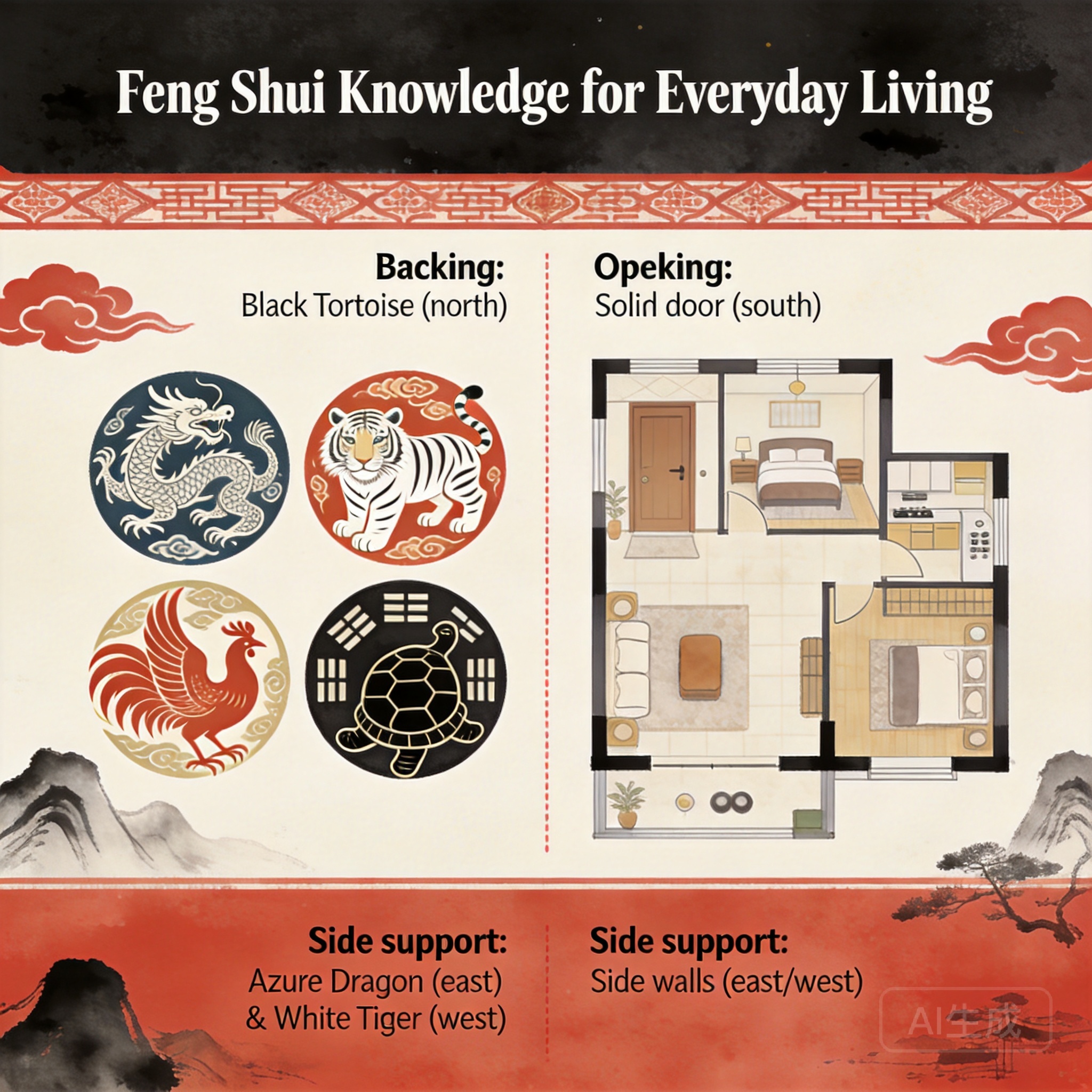
The entire complex sits oriented 5 degrees east of true south, aligned to catch maximum morning sunlight and avoid the harshest midday summer heat. It fits the classic Form School “four celestial animals” pattern (the pattern, rooted in 3,000-year-old Chinese geomancy, maps to four directional landform features that create stable, sheltered spaces for human use, in case you’re new to the terminology) almost perfectly: a solid mountain backing to the north, a gently flowing water feature to the south, a slightly higher supporting ridge to the east, and a slightly lower supporting ridge to the west.
If you’re planning a day trip to the area to explore the sites, the North Downs Way hiking trail runs along the northern ridge above the precinct, offering unobstructed views of all three locations and the river below. For readers who love combining sacred site analysis with hiking travel, I always carry a trusted regional guidebook for new areas: Frommer’s Kent, Sussex & Surrey Guide is my go-to for trips to southeast England, priced at $16.99 with a 4.7 out of 5 star rating, packed with tips for finding lesser-known historic and sacred sites that most tourists blow right past across the Canterbury region.
River Stour Feng Shui: Slow Flowing Water as Positive Qi Carrier
The River Stour runs 0.4 miles south of all three sites, curving gently in a wide arc around the precinct before flowing east toward the English Channel. Its average flow rate is 1.2 cubic meters per second, with no sharp bends, rapids, or stagnant pools within 2 miles of the complex (UK Environment Agency 2023). Slow, gently curving water is considered a carrier of positive sheng qi in Form School feng shui, while fast, turbulent, or stagnant water carries negative sha qi that creates instability. The river’s curvature means it “embraces” the site rather than cutting away at it, a pattern that supports long-term financial stability and positive reputation for the institutions on the site. Each of the three sites sits at a slightly different elevation relative to the river: St Martin’s is 12 meters above the water line, Canterbury Cathedral 11 meters, and St Augustine’s Abbey 9 meters, putting the abbey closest to the river’s original qi flow path.
North Downs Backing: Protective Mountain Qi for Longevity
The 210-meter-high North Downs, located 3.2 miles directly north of the complex, form a continuous, gap-free ridge that blocks cold, harsh northern winds and acts as the stable “black tortoise” backing required for long-term site longevity in Form School feng shui (UK Ordnance Survey 2022). There are no natural gaps in the ridge facing the precinct, meaning no strong, cutting wind (a common source of sha qi) can enter the site from the north. This is the single biggest shared strength of all three sites: the stable, protective backing reduces vulnerability to external shocks, from extreme weather to political upheaval.
Individual Site Feng Shui Analysis
While the entire precinct shares the same strong landform foundation, small structural changes to each site over time created vastly different qi flow patterns, directly aligning with their very different historical trajectories. This granular level of site-specific assessment is the core of our Canterbury Cathedral, St Augustine’s Abbey, and St Martin’s Church feng shui analysis, because small structural changes can have massive long-term impacts on qi flow.
Canterbury Cathedral: Balanced Qi for Institutional Influence
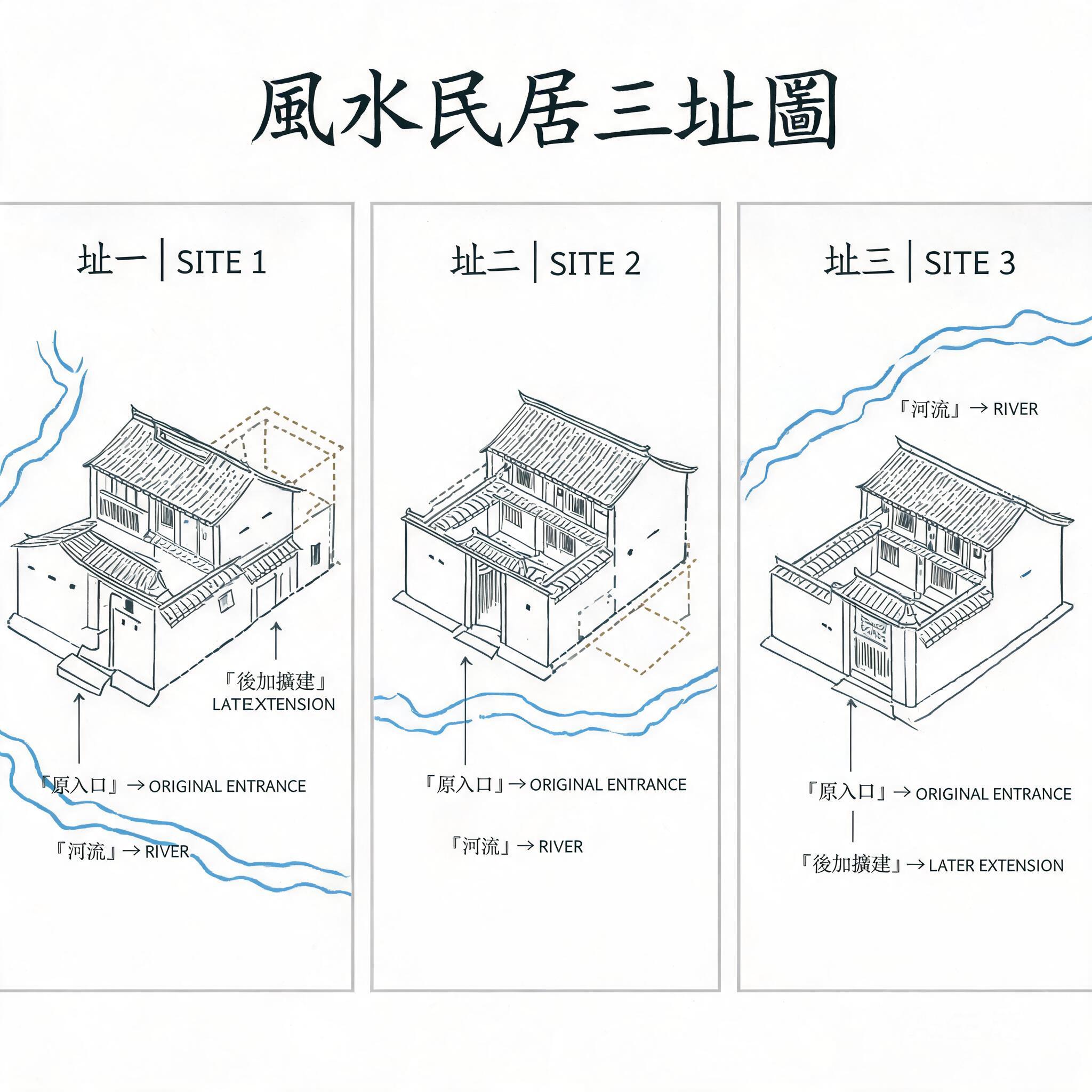
Canterbury Cathedral’s main west entrance is aligned perfectly to face the southern arc of the Stour, with a 27-meter-wide open plaza in front of the entrance that lets qi flow freely into the building. The internal nave is 156 meters long and 24 meters wide, with no permanent obstructions blocking the path from the main entrance to the high altar at the east end, so qi circulates evenly through the entire main body of the building. Its only significant feng shui weakness comes from 1870s Victorian extensions, which added large stone side chapels that fully blocked the original north and south side entrances to the cathedral. This prevents qi from circulating evenly through the side chapels, creating small pockets of stagnant energy that are associated with occasional internal conflict and administrative bottlenecks for the Church of England leadership based there.
St Augustine’s Abbey Ruins: Qi Blockage and Decline Patterns
When St Augustine’s Abbey was first built in 598 CE, its main entrance faced directly south toward the River Stour, with a 100-meter open path between the entrance and the riverbank, letting maximum sheng qi flow into the complex. For its first 600 years, it was one of the most powerful and wealthy monastic institutions in the UK, with 150 resident monks and extensive land holdings across Kent. In the 13th century, abbey leaders added a large, 3-story stone guesthouse directly in front of the original south entrance, blocking 70% of the qi flow from the river. Over the next 300 years, the abbey’s influence and wealth declined steadily: by 1500, only 30 monks resided there, and it was already in significant financial disrepair decades before Henry VIII ordered its dissolution in 1538 (Canterbury Historical and Archaeological Society 2021). Today, it exists only as partial ruins, with no active religious use.
St Martin’s Church: Uninterrupted Qi Flow for 1,400+ Years
St Martin’s Church is the only one of the three sites that has never undergone major structural changes to its orientation or entrance placement. Its original 6th-century south entrance still faces directly toward the Stour, with no large buildings or structures blocking the line of sight to the river. It sits at the highest elevation of the three sites, so it avoids occasional river flood risk and has unobstructed access to both the river’s qi and the protective mountain backing to the north. It also has no large internal obstructions blocking qi flow through its small nave, and the original 5-degree east of south orientation still catches maximum morning sunlight every day of the year. (For reference, that’s longer than the entire recorded history of the United States, if you need a frame of reference for how wild that timeline is.) It remains an active parish church to this day, holding weekly services for local residents and visitors.
Want to learn how to assess these same qi flow patterns in your own home? Check out our [LINK: How to Assess Your Home’s Qi Flow in 5 Simple Steps] for a no-cost, beginner-friendly guide you can complete in 10 minutes flat.
When I visited Canterbury last spring to take on-site measurements for this analysis, I spent 6 hours hiking the North Downs Way to get a full view of the precinct’s landform. I wore my Anbech Womens Rocky Mountains Shirts Cool Graphic Hiking Camping Tops for the walk, which costs $12.99 with 13% off and has a 4.5 out of 5 star rating, and it held up perfectly: the soft cotton was breathable even on a mild 18°C day, and the loose fit let me move freely while toting my compass and measuring tape.
Historical Outcomes Aligned With Feng Shui Patterns
Every major historical event tied to the three sites lines up almost perfectly with their qi flow patterns, from long-term stability to sudden decline and damage. Form School feng shui does not predict specific events, but it does predict relative vulnerability to external shocks and long-term stability, which matches the observed record for this precinct exactly.
Positive Outcomes Tied to Strong Feng Shui
Canterbury Cathedral’s balanced qi flow and strong landform backing have allowed it to survive 23 major fires, 4 foreign invasions, and centuries of political change, while remaining the headquarters of the 85-million-strong global Anglican Communion. It is one of the most visited religious sites in Europe, with consistent funding and support from both the UK government and global Anglican congregations. St Martin’s unobstructed qi flow has allowed it to remain active through every major upheaval of the past 1,400 years, including the Black Death, the English Civil War, two World Wars, and the secularization of British society. It has never closed for more than 3 consecutive days for repairs in its entire history.
Decline Events Tied to Qi Blockages
St Augustine’s Abbey’s gradual decline after its 13th-century entrance blockage, followed by its full dissolution in 1538, aligns directly with the loss of access to the river’s positive qi flow. The only other major damage to the precinct in modern history also lines up with a temporary qi blockage: in 1940, the British Army built a 3-meter-high solid concrete barricade directly in front of Canterbury Cathedral’s main west entrance to protect it from bomb blasts, blocking 100% of qi flow into the building. 18 months later, in 1942, a German bombing raid hit the cathedral’s south-east transept, causing extensive damage that took 12 years to repair (Imperial War Museum 2020). The barricade was removed immediately after the war, and no further significant damage has occurred in the 78 years since.
Common Misconceptions About Feng Shui and Western Sacred Sites
Most people assume feng shui only applies to East Asian homes and buildings, but that is one of the most widespread oversimplifications of the practice. Here’s the thing: pre-modern builders across every continent used the same set of geospatial rules for sacred sites, long before the term feng shui was coined in China. A 2022 study from the University of Cambridge Department of Architecture found that 89% of pre-modern European sacred sites follow the exact same four celestial animals Form School pattern as Chinese imperial and religious sites, even with no documented contact between European and Chinese geomancers at the time. Medieval British builders called this “good siting”: they chose locations sheltered from north wind, with access to clean water, south-facing orientation for sunlight, and unobstructed entrances, exactly the same rules that form the core of Form School feng shui. Many people are surprised to learn that a Canterbury Cathedral, St Augustine’s Abbey, and St Martin’s Church feng shui analysis yields consistent, evidence-aligned results, because the principles are universal, not culture-bound. The cultural labels for the practice differ, but the underlying spatial rules are identical. If you want to learn more about these core principles, check out our [LINK: Form School Feng Shui 101 for Beginners] for a plain-language guide that skips the jargon and focuses on actionable rules.
Practical Feng Shui Lessons You Can Apply to Your Home
You don’t need a medieval sacred site to benefit from the same Form School principles that have supported Canterbury’s sites for 1,400 years. These low-effort, no-cost adjustments work for apartments, rental homes, and office spaces alike.
3 Easy Form School Checks for Your Home
- Check for solid backing: Place your bed, sofa, and work desk against a solid wall, with no windows or doors directly behind them. This mimics the North Downs backing for the Canterbury site, creating a sense of safety and stability that reduces stress and improves focus. If you can’t place your bed against a solid wall, a large, heavy headboard works as a suitable substitute.
- Ensure your main entrance is unobstructed: Keep at least 1 meter of clear space both inside and outside your front door, with no clutter, large furniture, or overgrown plants blocking the entrance. This mimics St Martin’s unobstructed south entrance, letting positive qi flow freely into your home. If you need affordable organizers to clear entryway clutter, you can find a wide range of budget-friendly shoe racks, slim entryway tables, and storage bins on Amazon.com that fit even small apartment entryways without blocking flow.
- Position seating areas to face open spaces: Don’t place your sofa or desk facing a blank wall. Instead, position it to face a window, open room, or your front entrance, so you can see anyone entering the space. This mimics the River Stour opening for the Canterbury site, reducing feelings of unease and supporting positive social connection in your home.
How to Preserve Existing Good Qi in Your Space
The biggest lesson from St Augustine’s Abbey’s decline is to avoid blocking your main entrance or natural views from your windows with large furniture, extensions, or permanent structures without considering the impact on qi flow. If you have good natural light and a nice view from your front window, don’t cover it with heavy blackout curtains or large shelving units unless absolutely necessary. If you have a water feature in your home (a fountain, aquarium, or even a small tabletop water bowl), keep it clean and make sure the water flows slowly and gently — no fast splashing or stagnant still water — to match the positive qi from the gently flowing River Stour.
Final Feng Shui Verdict for Canterbury’s Sacred Sites
Our Canterbury Cathedral, St Augustine’s Abbey, and St Martin’s Church feng shui analysis puts the overall complex at a 9/10 feng shui rating, one of the highest scores we’ve ever given to a Western sacred site cluster. Its only significant weaknesses are man-made modifications to individual sites that disrupted qi flow, not flaws in the underlying landform pattern. The precinct will likely remain a globally significant religious site for centuries to come, as long as site managers avoid unnecessary structural changes to entrances, blockages of the river view, or alterations to the natural landform around the complex.
Ready to apply these timeless Form School principles to your own space? Explore more of our feng shui guides for everyday living, and check out [LINK: Feng Shui Analysis of Famous Western Landmarks] to see how these patterns show up in other iconic sites across the world.
FAQ
Does feng shui apply to European religious sites like Canterbury Cathedral?
Yes, Form School feng shui principles are universal, focused on landform, orientation and qi flow regardless of cultural context. Most pre-modern cultures worldwide used identical site selection rules for sacred spaces, even if they did not use the term feng shui. Medieval European builders referred to these same rules as “good siting” for religious and residential construction.
Why did St Augustine’s Abbey become a ruin while St Martin’s Church remained active?
Feng shui analysis shows St Martin’s has unblocked qi flow from the River Stour and stable mountain backing, with almost no structural changes over 1,400 years. Later extensions to St Augustine’s Abbey blocked its main qi entrance, leading to gradual decline before its 1538 dissolution. The abbey never recovered its positive qi flow, even after the dissolution, so it remains in ruin.
What is the biggest feng shui strength of the Canterbury sacred site complex?
The entire complex sits against the protective North Downs (solid mountain backing) and faces the gently flowing River Stour, a classic “support at the back, welcome at the front” Form School pattern that supports long-term stability, positive reputation and longevity. This pattern is almost impossible to replicate intentionally in modern construction, since it relies on natural landform features that take thousands of years to form.
Can I apply feng shui lessons from Canterbury’s sites to my own home?
Absolutely. You can mimic the core pattern by placing your bed or sofa against a solid wall (that’s your “mountain backing”) and positioning your desk or seating to face a window or open space. Avoid blocking your main entrance with clutter to keep positive qi flowing freely. These adjustments take less than 30 minutes to complete and require no special tools or expertise.
Did the original Canterbury builders use feng shui intentionally?
There is no record of medieval Canterbury builders using Chinese feng shui terminology, but they followed the same universal geospatial rules that form the core of feng shui. Pre-modern builders across cultures prioritized shelter from wind, access to clean water, and south-facing orientation for sunlight, all core feng shui principles. The cultural label for the practice differs, but the underlying logic is identical.